
Father and son flossing, side angle

How Much Flossing is Too Much?

The statistics show that the vast majority of Americans will never need this question answered. Less than 40% of us report that we floss daily. However, there is a small percentage of people that may be flossing too vigorously. Essentially, unless you can feel food stuck in your teeth, then you should only be flossing once a day. Plaque takes between 24 and 48 hours to form and harden, so flossing more than once in a 24 hour period is generally unnecessary.

Read more
Close up of patient's smile

How to Care for your Teeth as you Age

Aging is a side effect of living a long, full life. Even the most unpleasant effects are resultant of a gift that generations of human beings were never given. As a result, modern medicine is still working to fully understand the processes that our body goes through during our life cycle. In the meantime, we can use the common side effects of dental aging to prevent further complications with healthy teeth.

Read more
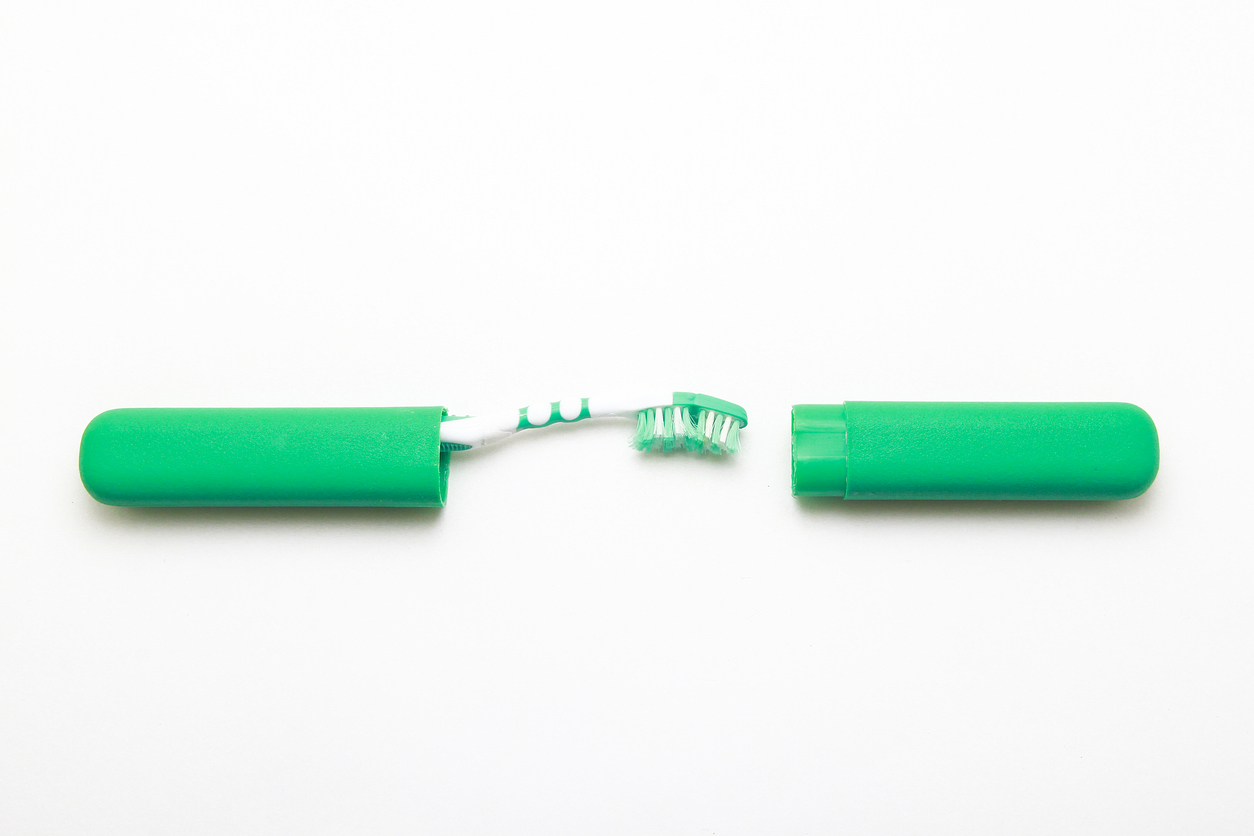
Travel toothbrush in case

Maintaining Oral Hygiene on the Road

If you travel a lot for work, you know the struggle of trying to maintain appropriate hygiene. Especially while being confined to a small space for hours, even days on end. Even if you aren’t a trucker or a flight attendant, that occasional business trip or destination wedding may leave you wondering how to properly care for your teeth. It’s not easy when you’re thousands of miles from the comfort of your own bathroom sink. Fortunately, there are a few travel hygiene tips you can take into consideration.

Read more
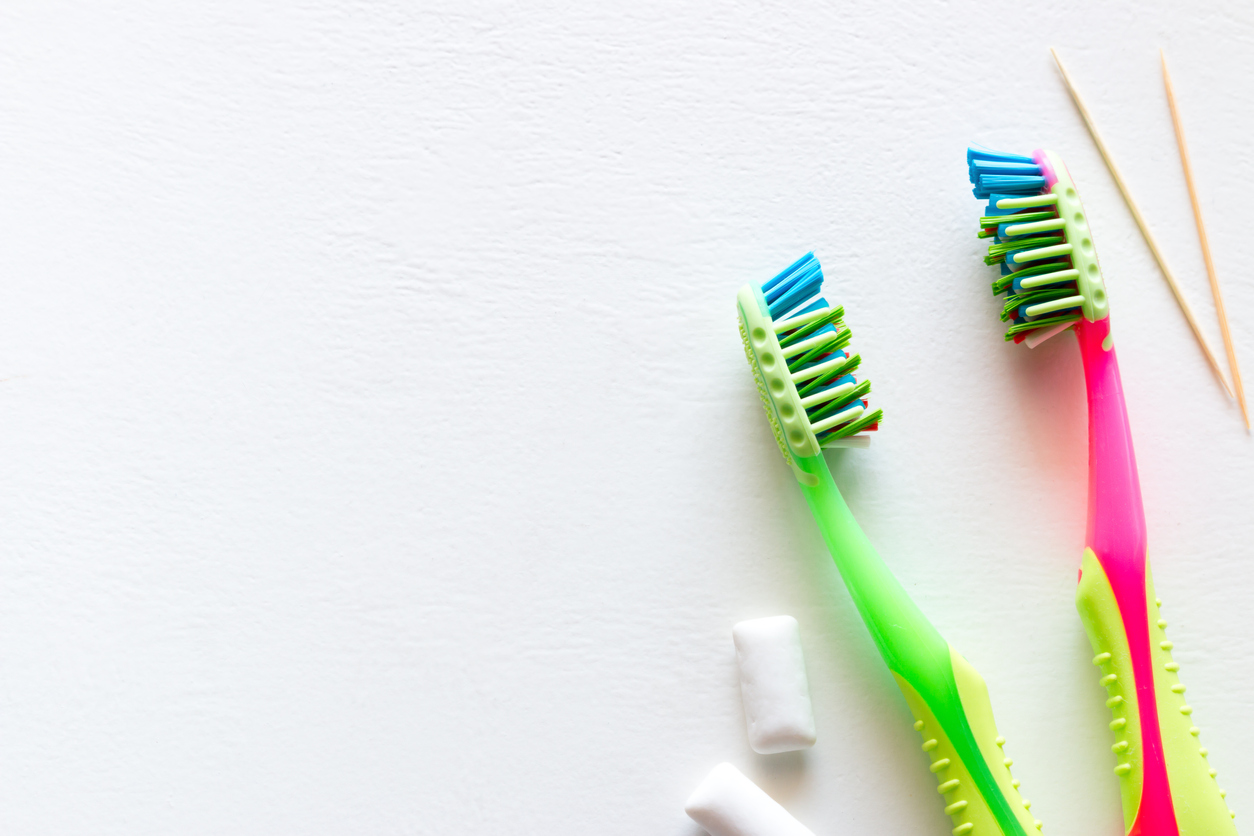
colored toothbrushes, toothpicks, and tic-tacs on white background

7-10 Surprising Ways to Fight Cavities at Home

Getting a cavity will likely happen at some point in everyone’s life. Cavities are tiny holes or openings that form on a decayed area of your tooth. They occur when bacteria builds up on your teeth and turns into plaque. The acids in plaque de-mineralize your enamel, which is made up of calcium and phosphate, thus causing the tooth to decay and form a cavity. There are three main types of cavities: those that occur on the smooth side of your teeth, fissure/pit cavities that form on the chewing surface, and root cavities that form on the roots. What can you do for cavity prevention?

Read more