
Gum disease, also referred to as periodontal disease, is a chronic infection of the gum tissue. If left untreated, it can lead to gum recession and even tooth loss in its advanced stages. Gum disease can also be detrimental to your overall health; specifically, it is linked to impacts on the lungs, joints, and heart. But can gum disease be reversed? In this article, we discuss the treatment methods that modern periodontics can offer.
Can Gum Disease Be Reversed?
Gum disease can be reversed in its early stage, known as gingivitis. However, as it progresses further and turns into periodontitis, it can no longer be reversed and can only be controlled and prevented from progressing further. That is why it is crucial to start treatment as soon as the first sign of gum disease appears.
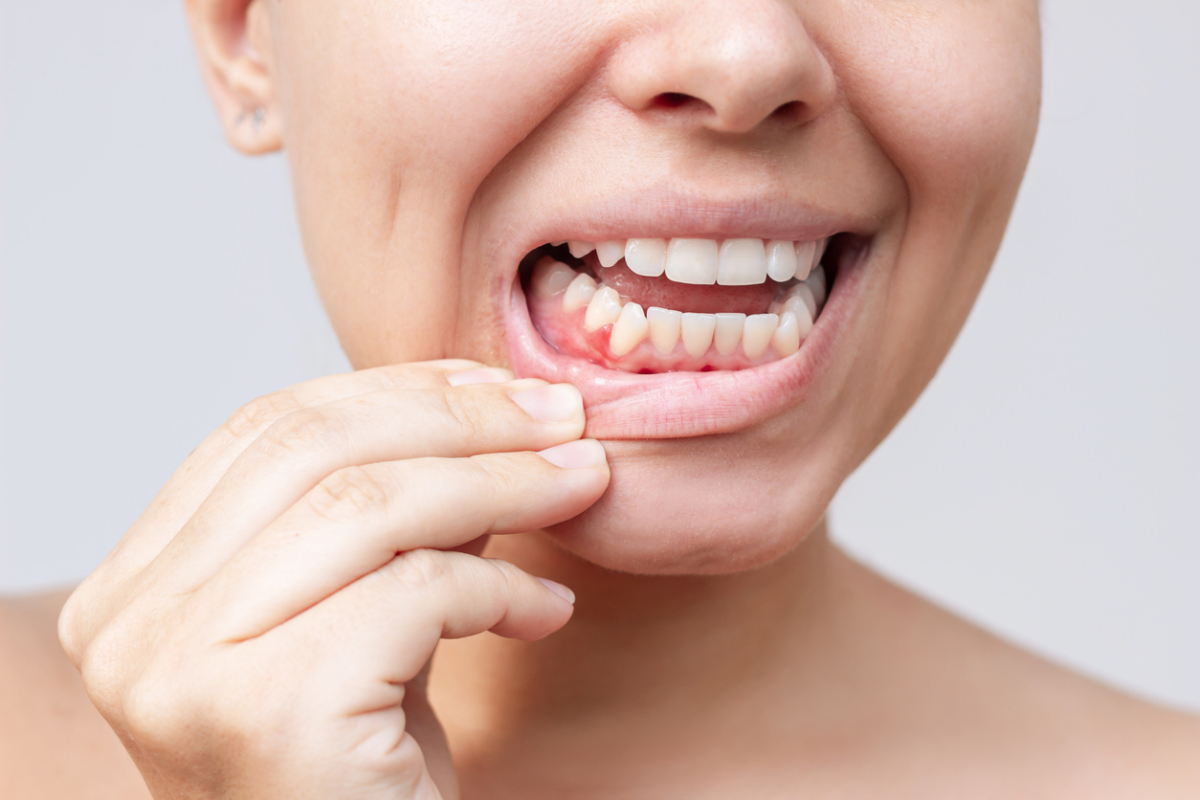
Unfortunately, the first signs of gum disease are subtle and can often go unnoticed by the patient. This is one of the reasons why it is recommended to visit your dentist every 6 months for checkups and professional cleanings. Several indicators might help you spot gingivitis:
- Red or swollen gums
- Gums that bleed easily when you brush or floss your teeth
- Tender and sensitive gums, especially when brushing or flossing
- Persistent bad breath
- Gums that appear smooth and shiny instead of firm and textured
If you notice any of these signs, consult your dentist promptly to arrange treatment.
Signs of more advanced gum disease (periodontitis) include:
- Red or darkened and swollen gums
- Bleeding gums
- Gum recession (gums pull away from the teeth)
- Pus that collects between the gums and teeth
- Persistent bad breath and unpleasant taste in the mouth
- Unstable teeth
- Pimples or cysts on the gums
- Jawbone density loss
Treatment Methods for Gum Disease
The leading cause of gum disease is bacterial growth in the mouth. Bacteria accumulate and live in plaque and tartar on the teeth and in periodontal pockets (spaces between the gum and the teeth). For this reason, the majority of treatment methods for gum disease focus on removing plaque and tartar, as well as reducing bacterial activity in the mouth.
Treatment Methods for Gingivitis
Treatment course for gum disease in its early stage (gingivitis) should include the following steps:
Improved Oral Hygiene
Improving your daily oral hygiene is the number one priority in treating gingivitis:
- Brush your teeth twice a day for at least two minutes, ensuring that you remove all food residue and plaque from your teeth. Pay special attention to hard-to-reach areas in the mouth and brush along the gumline. Choose a brush that effectively removes plaque without harming your gums in the process.
- Floss every evening, cleaning both sides of each tooth.
- Add a water flosser to your routine. Use it as the first step to loosen food residue and plaque, making subsequent flossing and brushing more effective.
- Try floss threaders or interdental brushes if using traditional floss is challenging for you.
- Use fluoride toothpaste to remineralize your teeth’s enamel and reduce bacterial growth.
Professional Cleanings and Fluoride Treatments
Since tartar, the home to harmful bacteria, can only be removed by professional dental instruments, regular cleanings are necessary in treating gingivitis. Additionally, fluoride treatments can be beneficial in strengthening the enamel and reducing bacterial growth in the mouth.
Treatment Methods for Periodontitis
Improving your oral hygiene and receiving regular professional fluoride treatments (sometimes as often as every 3 to 4 months) remain a priority when treating gum disease in its more advanced stages. Additionally, your doctor might employ one of the following procedures:
- Scaling and root planing allow your dentist to remove tartar from underneath the gum line and guide the gum tissue to reattach to the teeth.
- Your dentist may use oral antibiotics to reduce infection
- Laser procedures to remove infected gum tissue, kill bacteria deep in gum pockets, and stimulate healing and tissue regeneration.
- Your dentist may perform pocket reduction surgery if periodontal pockets are too deep to clean with scaling alone, or there is significant bone loss or infection.
- In advanced stages of gum disease, your dentist may use bone grafts to rebuild bone destroyed by infection.
- Guided tissue regeneration (GTR) is also used to help bone and gum regrow
Treat Gum Disease at David Kao DDS
At our dental office, we offer a range of modern gum disease treatment methods tailored to meet the individual needs and concerns of our patients. Do not hesitate to make an appointment with an experienced periodontal dentist at our office today to start your treatment.
